
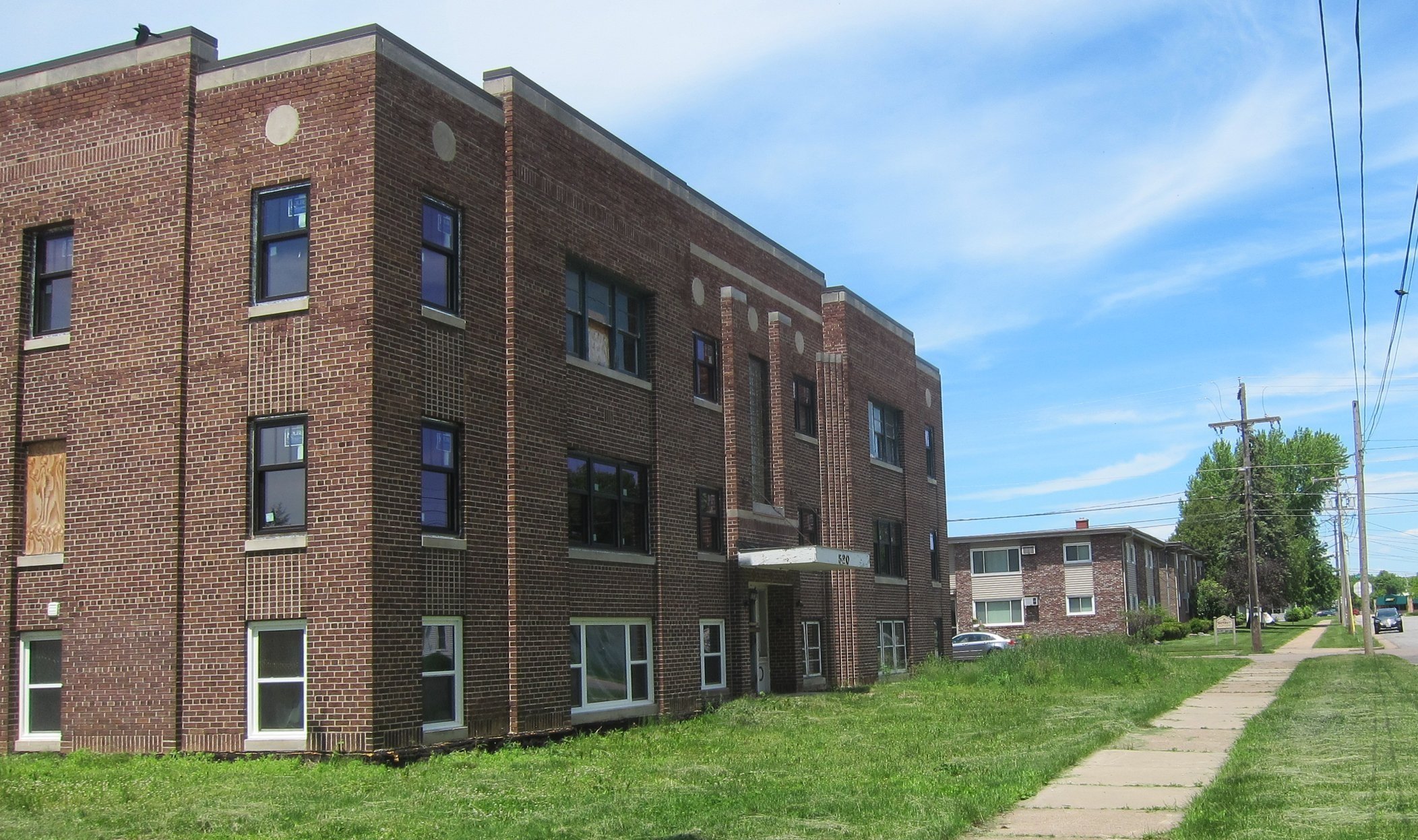
Housing
Decisions that affect housing, such as its quality, location, affordability, and neighborhood features, can create communities that support health and prevent disease.
Affordable housing is defined as housing that costs no more than 30% of a household’s gross monthly income.
When people cannot find affordable housing, they have fewer living options and struggle to pay for basic needs like food and medical care. This can lead to increased stress, mental health challenges, and a higher chance of getting sick.
As a result, they may find it hard to pay for essentials such as food and healthcare. Children who grow up in unaffordable housing often have worse health and do not perform as well in school.

Explore the links and click on the arrows to find out more.

-
Community Development Block Grant Program
You can apply for funding to repair or improve your home or properties that you rent to tenants. Apply through the Juneau County Housing Authority.
This authority serves residents in the Counties of:
Adams, Green Lake, Juneau, Marathon, Marquette, Portage, Waupaca, Waushara, and Wood.
Funds may be used for:
Rehabilitation of owner-occupied housing units
Rehabilitation of renter-occupied housing units
**Applicants must meet certain eligibility and project requirements.**
Visit Juneau County Housing Authority’s website to find out more and apply.
WHEDA More Like Home Repair and Renew
Homeowners can get up to $50,000 to repair structural issues and environmental contaminants in their home.
There are two program options based on income.
Visit WHEDA’s website to find out more and apply.

-
A diverse group working together to improve local housing challenges, including
making housing more affordable
finding developers to build new housing and update existing ones
providing education and resources to improve housing
advocating for state and local housing policies
Please contact us, if you would like to join the meetings or have any questions.

-
This list includes available resources related to housing.
Click here to find Wood County housing resources.

-
For questions contact Kayleigh Mengel | 715-421-8926 | kayleigh.mengel@woodcountywi.gov.


Increase affordable housing options.
Improve safety and quality of housing.
Reports

Wood County Comprehensive Plan and Housing Study
This plan will help guide county decision-makers on various issues over the next twenty years. The housing chapter will include a study aimed at attracting more needed housing to the County.
Discover more about the Housing Study Draft and Survey Results.
Housing has a big impact on our health.
Research shows a clear link between the two. Decisions that affect housing, such as its quality, location, affordability, and neighborhood characteristics, can create communities that support health and prevent or reduce disease
Housing is not affordable for everyone
When people have to spend a large part of their income on housing, they may not have enough money to pay for other basic needs like food or healthcare. This is linked to increased stress, mental health challenges, and an increased risk of disease.
Unaffordable housing disproportionately impacts families and seniors with low-incomes. When affordable housing is not available, people have fewer options for where they can live. Many families with low-income end up living in poor-quality housing in neighborhoods with higher rates of poverty, crime, and fewer resources like parks, walking and biking paths, and social activities. Seniors with limited incomes and those who no longer drive can especially benefit from affordable and accessible housing options near transportation and other essential services.